The Multi-App Tax: Why Running 5 Products Shouldn't Cost 5x in Support Tools
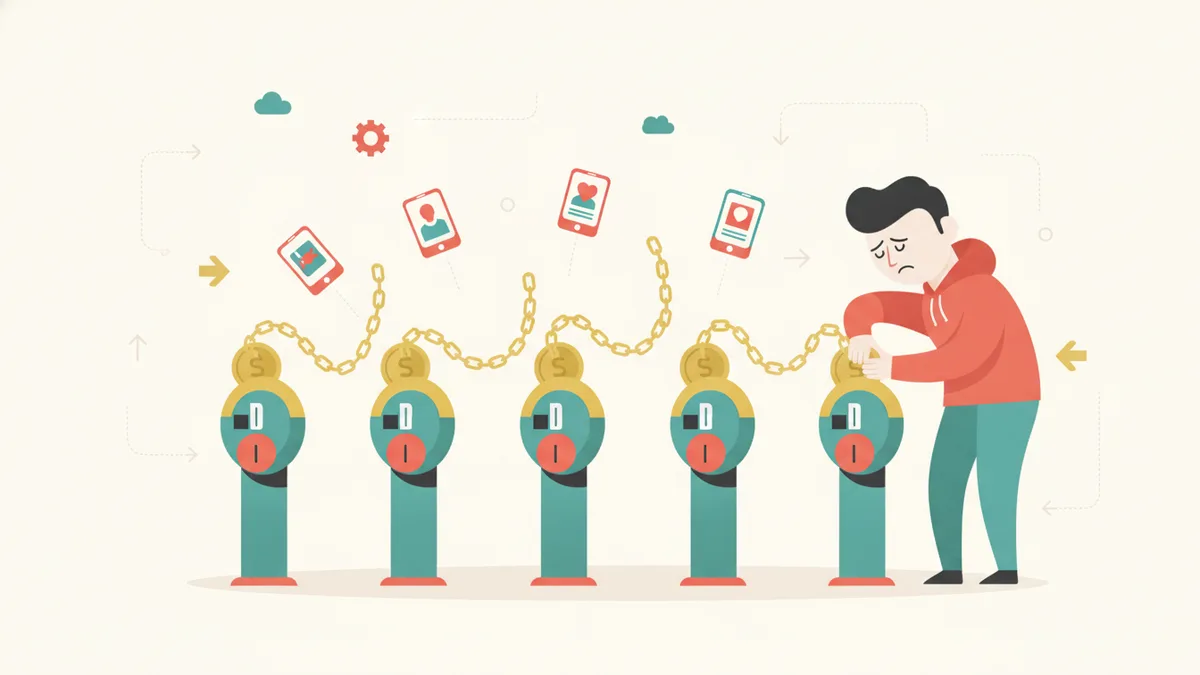
You launch your first SaaS. You pick Intercom for support, Resend for transactional email, and maybe HelpScout for a knowledge base. Total cost: $50–100 per month. Manageable.
Then you ship a second product. And a third. Suddenly you are paying $150–300 per month in support tools alone — and that is before you count the context-switching tax of managing three separate dashboards per product.
This is the multi-app tax, and every indie hacker and small team running a portfolio of products pays it.
The Math Gets Ugly Fast
Let's say you run 3 SaaS products and want basic support tooling for each:
| Tool | Per product | 3 products | 5 products |
|---|---|---|---|
| Intercom (Essential) | $29/seat/mo | $87/mo | $145/mo |
| HelpScout (Standard) | $25/user/mo | $75/mo | $125/mo |
| Crisp (Pro) | €25/workspace | €75/mo | €125/mo |
| Resend (Pro) | $20/mo | $60/mo | $100/mo |
| Helmdesk (Starter / Growth) | $39/month total | $39/month total | $149/month total |
With most tools, each product is a separate workspace, subscription, or billing unit — and a separate per-seat bill inside each one. Helmdesk is different: one subscription covers all your projects, and every paid plan includes unlimited seats. Starter is $39/month for 3 projects; Growth is $149/month for 10.
The column above assumes a single user, which is the most flattering case for per-seat tools. Add a second person and Intercom's 5-product line goes from $145 to $290 while Helmdesk stays at $149 — the multi-app tax and the per-seat tax compound on the same bill.
The Hidden Costs Nobody Talks About
The subscription fees are only part of it. The real cost is operational:
Context switching. When a support ticket comes in, which dashboard do you check? If you run 5 apps across Intercom and HelpScout, you have 5+ browser tabs open. Each tool has different keyboard shortcuts, different UX patterns, different notification settings. You waste time just figuring out where to look.
Duplicated email templates. Your welcome email, password reset, and billing confirmation templates are nearly identical across products — but you maintain separate copies in separate tools. When you update your email design, you do it 5 times.
Fragmented knowledge. Your knowledge base for Product A has an article about API rate limits. Product B has the same rate limiting but a separate knowledge base with a separate article. When you update the rate limit, you update two articles — if you remember.
Inconsistent customer experience. Different tools mean different support portals, different response styles, and different levels of AI assistance across your products. Your customers get a different experience depending on which product they use.
What a Unified Approach Looks Like
Helmdesk was built specifically for developers running multiple products. Instead of one subscription per product, you get one dashboard with multiple projects:
One inbox, all projects. Every ticket from every product appears in a single unified inbox. Filter by project, status, or priority. Keyboard shortcuts work the same way everywhere.
Shared templates. Write an email template once, share it across projects. Update the design in one place. Each project can override variables (sender name, branding, links) while keeping the structure consistent.
One knowledge base, many portals. Each project gets its own public knowledge base URL, but you manage all articles from one editor. Cross-reference articles between projects when the content overlaps.
AI that works across everything. The same AI engine handles suggested replies, ticket classification, and article drafting for all your projects. No per-workspace AI add-on.
Who This Is For
If you are a solo developer with one product, most support tools work fine. The multi-app tax kicks in when:
- You run 2+ SaaS products and need support tooling for each
- You are an agency managing support for multiple client projects
- You are a small team with a portfolio of apps (internal tools, customer-facing products, side projects)
- You are tired of paying separate subscriptions for things that should be one tool
The economics are simple: if your current support stack charges per-workspace or per-product, you are paying the multi-app tax.
Stop Paying the Tax
One dashboard. All your apps.
Helmdesk Starter covers 3 projects for $39/month with unlimited seats. Helpdesk, email, and knowledge base — unified.